
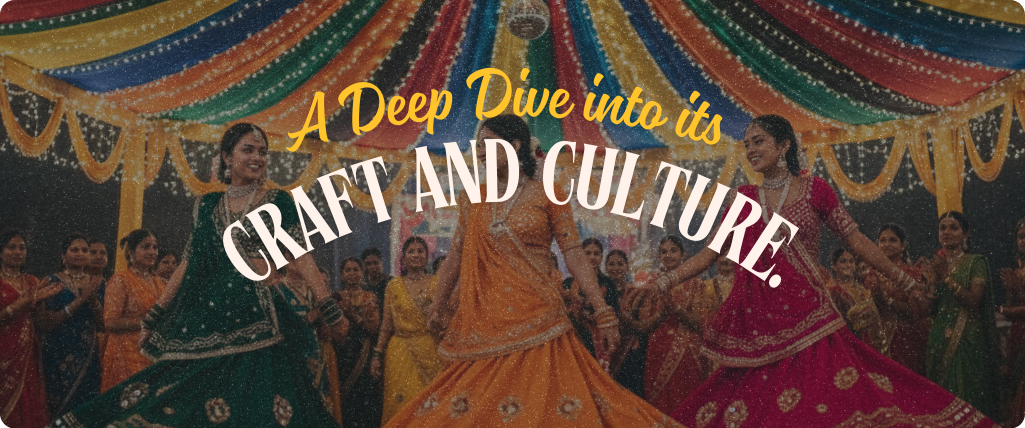
The Majestic Lehenga Choli: A Journey of Craftsmanship and Culture
The Lehenga Choli, a garment steeped in history, is celebrated for its versatility and intricate craftsmanship. Its origins trace back to the Mughal Empire, where it was the favored attire of royalty, crafted from luxurious silks and velvets adorned with rich gold and silver embroidery. Today, it remains a quintessential outfit for celebratory occasions across India and the globe. The magic of a lehenga lies in its details—from the silhouette of the skirt to the intricate handwork that makes each piece a unique work of art. The ensemble is not just worn; it’s a form of personal expression, with each style and embellishment telling a story of a specific region’s heritage and artistry
How Lehengas are Made: The Art of Handcrafted Detail
The creation of a lehenga is a meticulous process, with the final look determined by the type of embroidery and the chosen fabric.
Design & Patterning: The process begins with a designer sketching the lehenga’s silhouette and motifs. These designs are often inspired by traditional art, nature, and geometric patterns.
Fabric Selection: Fabrics are chosen based on the desired fall, weight, and occasion. Traditional choices include silk, velvet, brocade, and cotton, while modern designs often use lighter materials like georgette, net, organza, and crepe.
Embroidery & Embellishment: This is the most labor-intensive part of the process, and it defines the lehenga’s character. Some of the most popular embroidery styles are:
Zardozi: A regal form of embroidery using gold and silver metallic threads, beads, and sequins to create rich, intricate patterns. It originated in Persia and was a favorite of the Mughals.
Gota Patti: A Rajasthani embroidery style using small pieces of metallic ribbon (gota) to create sparkling patterns, often in floral or animal motifs.
Mirror Work (Shisha): A signature style from Gujarat and Rajasthan, where small mirrors are sewn onto the fabric and encased with colorful threads. It is especially popular for festive occasions.
Resham: Delicate embroidery using silk threads in vibrant colors, creating a soft, textured finish often seen in floral and paisley designs.
Aari (Maggam): An ancient technique using a hooked needle to create fine chain stitches, which is ideal for detailed floral and geometric patterns.
Types of Lehengas & Occasions
The versatility of the Lehenga has led to a wide variety of cuts and styles, making it suitable for almost any occasion.
For Weddings: The bridal lehenga is the most opulent, often in traditional reds, maroons, or modern pastels, with heavy Zardozi or Gota work. A-line or Circular-cut lehengas are most popular for their regal flair.
For Festivals: During events like Diwali, Navratri, or Eid, flared, multi-layered, or mirror-work lehengas in bright colors are a festive favorite.
For Parties & Receptions: Modern, Indo-Western styles are in high demand. These include Jacket Lehengas, Crop-Top Lehengas, and minimalistic designs in fabrics like georgette with sequins or cutdana work.
For Ceremonies (Haldi/Mehendi): Lightweight, flowy Lehengas with minimal work, often in shades of yellow or green, are ideal for these lively, pre-wedding functions.
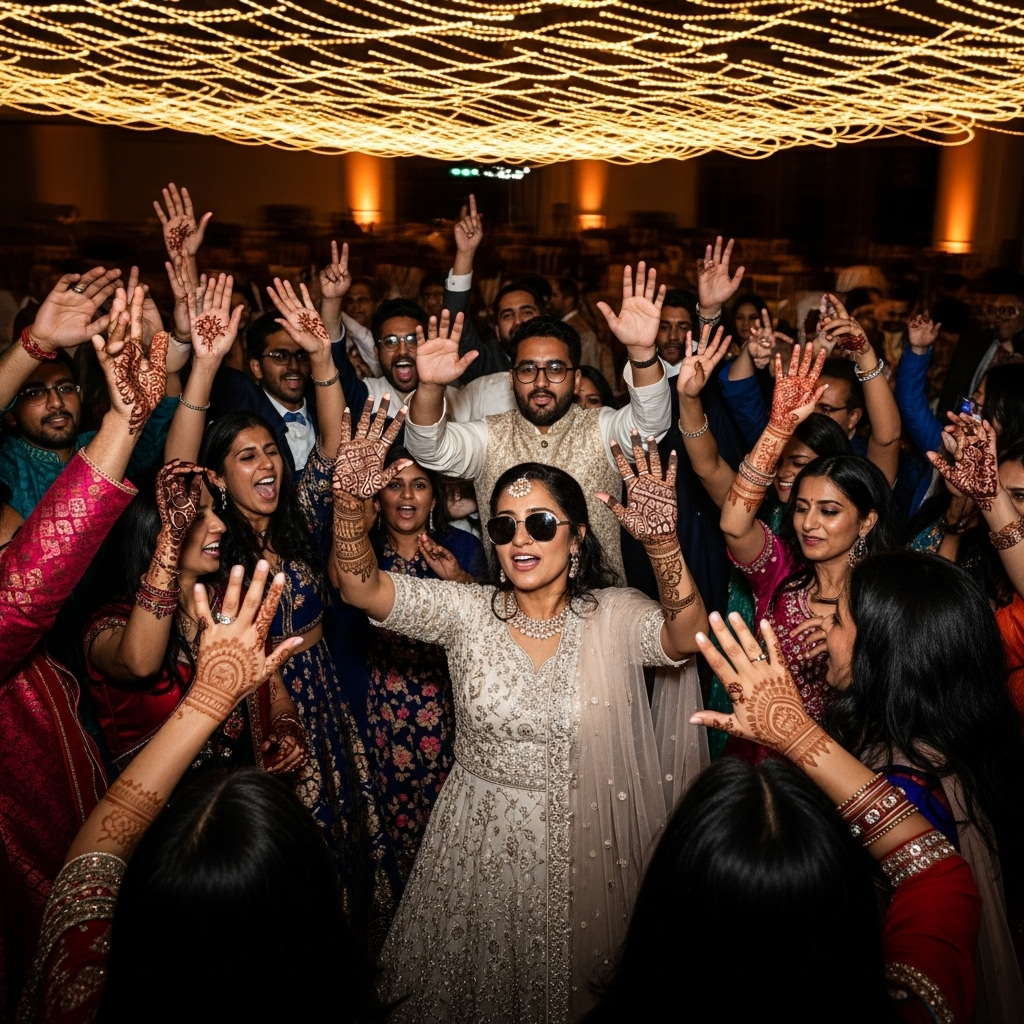
States & Regions of Lehenga Culture
While worn across the country, the Lehenga Choli holds a special place in the culture of several states, where it is often the traditional attire.
Rajasthan & Gujarat: These two states are considered the heartland of the Lehenga. The Ghagra Choli (as it’s often called) is the traditional folk attire, characterized by vibrant colors, mirror work, and intricate embroidery. It is the go-to outfit for festivals like Navratri and folk dances like Garba and Dandiya.
Uttar Pradesh: Particularly in cities like Lucknow and Varanasi, Lehengas are known for their exquisite Chikankari (delicate white thread embroidery) and rich brocade work.
Bihar & Punjab: Lehengas in these regions feature distinct folk-art forms. Bihar is famous for Lehengas with hand-painted Madhubani art, while Punjab’s Phulkari embroidery uses bright, dense silk thread to create motifs that cover the entire fabric.