1. Pure Silk
Silk is a natural protein fiber known for its unparalleled softness, natural sheen, and incredible strength. It is a premium fabric that drapes beautifully and feels luxurious against the skin. Unlike synthetic fibers, pure silk is breathable and hypoallergenic.
The process begins with sericulture, the cultivation of silkworms. The larvae of the silkmoth Bombyx mori produce cocoons. These cocoons are then boiled to extract the single, continuous filament of silk. The threads are twisted into yarn, dyed, and then woven on a loom to create various types of silk fabrics, such as georgette, or organza.
Key Detail: Silk’s shimmering, iridescent quality comes from the unique triangular prism-like structure of its fibers, which refract light at different angles.
2. Jacquard Fabric
jacquard is not a type of fiber, but a weaving technique that creates complex, intricate patterns directly into the fabric rather than printing or embroidering them on top. These patterns often feature a raised, textural effect. Jacquard fabrics can be made from a wide range of materials, including silk, cotton, polyester, or blends.
The process uses a Jacquard loom, a specialized machine invented by Joseph Marie Jacquard in 1804. This loom uses a system of punch cards (or modern computer programs) to individually control each warp thread. This allows for the creation of incredibly detailed and elaborate designs, from florals and paisleys to complex geometric patterns, that are permanently woven into the fabric.
Key Detail: Jacquard weaving creates a more durable and stable fabric with a unique, textured surface that is often reversible, with a reverse-color pattern on the back.
3. Lichi Silk (Litchi Silk)
Lichi Silk is a popular modern fabric that combines the feel of silk with the intricate patterns of a Jacquard weave. It is often a synthetic blend, typically made from high-quality polyester or a mix of silk and polyester. This blend gives it the elegant, smooth drape of silk while adding the durability, affordability, and wrinkle-resistance of synthetic fibers. It is commonly used for sarees and other traditional wear.
Lichi Silk is produced on a power loom, where the synthetic yarns are first twisted and then woven using the Jacquard technique. The process is a fusion of traditional design and modern machine manufacturing, allowing for the mass production of garments with a rich, woven texture at a more accessible price point than pure Banarasi silk.
Key Detail: Lichi Silk is an excellent example of art silk, providing a “soft silk” feel and the look of traditional weaving at a fraction of the cost and with easier maintenance. It’s the perfect choice for consumers who want the look of a heavy silk saree without the high price and delicate care requirements.
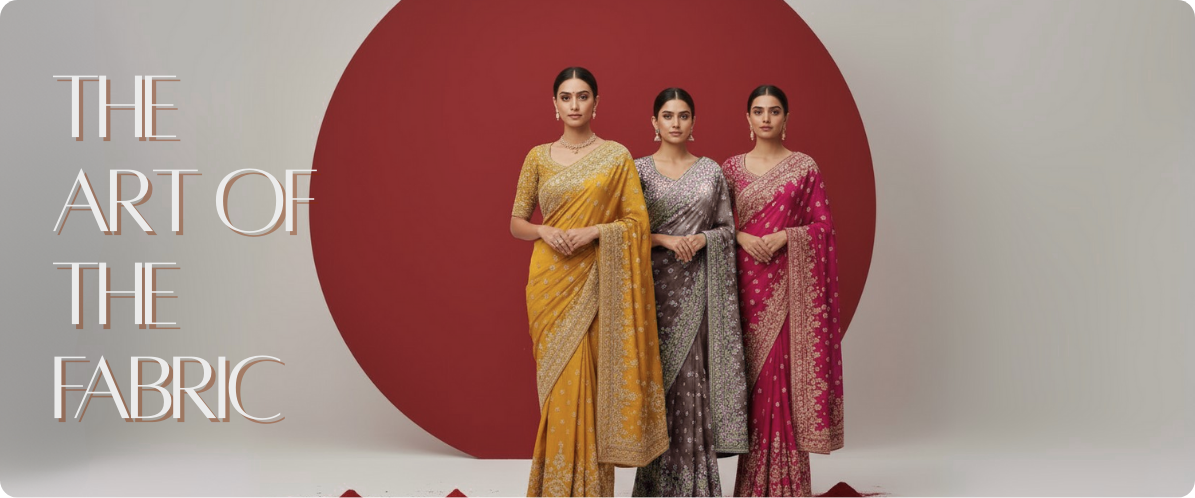
In the dynamic world of textiles, tradition and innovation intertwine to create fabrics that are both timeless and contemporary. From the regal heritage of Banarasi silk sarees, woven with intricate zari work that has adorned generations, to the celebratory elegance of the Lehenga Choli, a masterpiece of hand-crafted artistry from the heart of Rajasthan and Gujarat, we offer a collection that honors India’s rich weaving legacy. At jakobin impex, we combine these classic treasures with modern textile marvels. Our inventory includes the luxurious shimmer of pure silk, the complex, woven patterns of authentic Jacquard, and the vibrant, artistic prints on fluid Georgette, all of which reflect the industry’s evolution. We also specialize in providing versatile and durable fabrics like Faux Georgette and Lichi Silk, which offer the look and feel of high-end silk with the added benefits of affordability and easy care. As your trusted wholesaler, jakobin inpex is committed to providing a diverse range of premium fabrics that meet every need, from traditional ceremonial wear to cutting-edge modern fashion.


