
The Fabric of Your Brand: A Deeper Dive
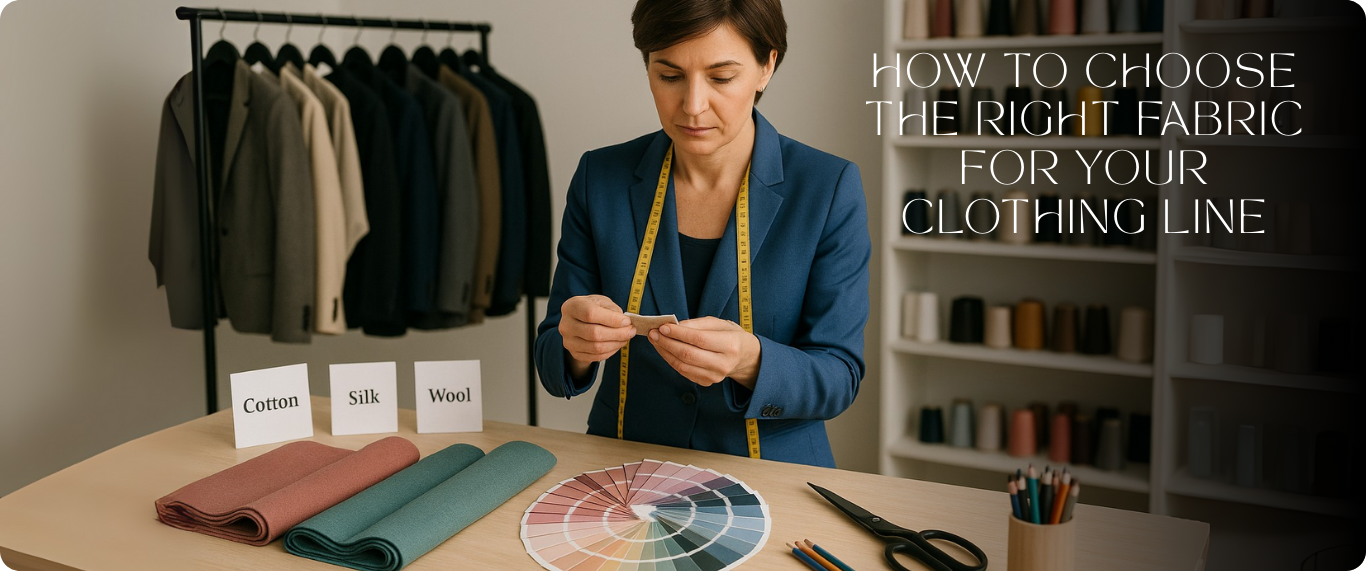
The fabric you choose is a direct reflection of your brand’s identity. Are you focusing on sustainable, eco-friendly apparel? Or are you aiming for high-fashion, luxurious evening wear? The answers to these questions will guide your material selection. Let’s explore some key fabrics and their characteristics.
Cotton :
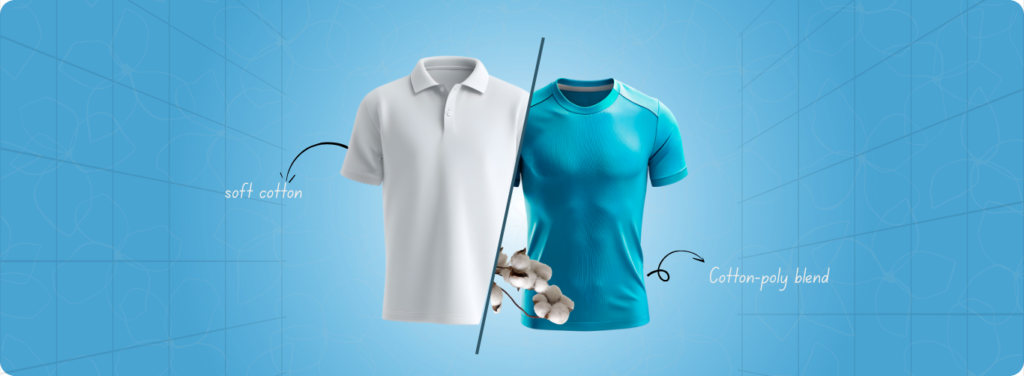
Cotton is a natural, soft, and breathable fiber harvested from the cotton plant. It’s one of the most widely used fabrics in the world.
Pros:
Breathable & Comfy
Versatile & Absorbent
Dyes Easily
Cons:
Wrinkles Easily
Can Shrink
Colors May Fade
Silk :
A luxurious natural fiber produced by silkworms. Known for its smooth texture and natural sheen.
Pros:
Lustrous & Elegant
Hypoallergenic
Drapes Beautifully
Cons:
Delicate & Pricey
Requires Special Care
Susceptible to Sun Damag

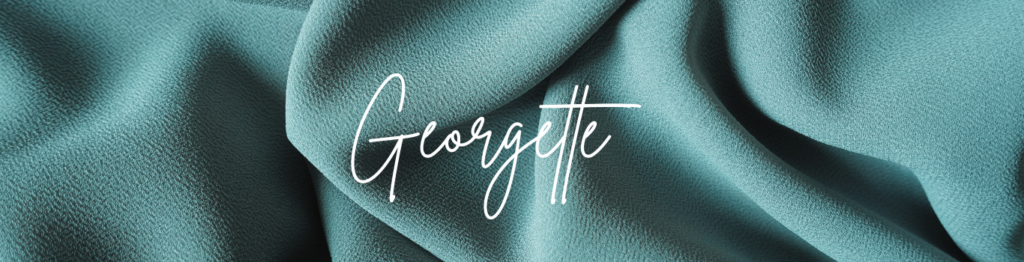
Georgette :
A Georgette is lightweight, sheer, and crinkled fabric often made from silk or polyester. It has a distinctive crêpe-like texture.
Pros:
Light & Flowing
Wrinkle-Resistant
Good Drape
Cons:
Often Sheer (Needs Lining)
Can Snag Easily
Difficult to Sew
Quick Tips for Your Fabric Selection
Test a Swatch: Always order fabric swatches to feel the texture and see the color in person before committing.
Consider the End Use: A workout shirt needs a different fabric than a formal evening gown. Match the fabric to the garment’s purpose.
Think About Your Customer: Who is your target audience? What are their lifestyle and comfort preferences?
Did You Know?
The term “denim” comes from the French phrase “serge de Nîmes,” referring to a durable fabric originally made in Nîmes, France.
The Cultural Fabric: More Than Just Material
The fabric you choose can also carry cultural significance. For instance, handloom silk in India or traditional tartans in Scotland are not just materials; they are part of a rich cultural heritage. When sourcing globally, it’s essential to understand and respect these traditions.