
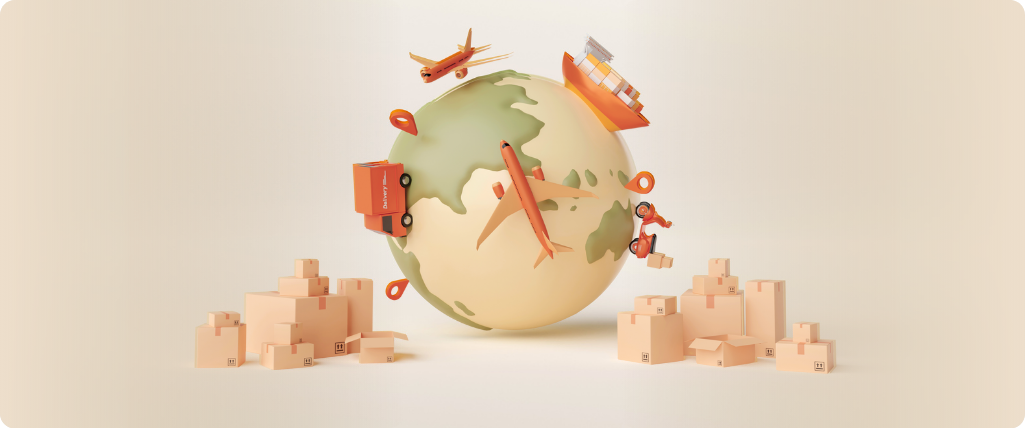
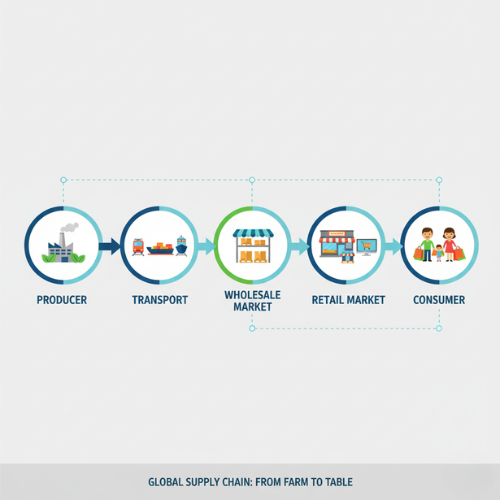
Market transportation is the backbone of trade, connecting producers, wholesalers, and retailers to consumers across regions. Without reliable transportation networks, goods would not reach marketplaces on time, leading to price fluctuations, shortages, and reduced economic activity. From ancient trade routes like the Silk Road to today’s global supply chains, market transportation has always been the silent driver of commerce and prosperity.
1. Types of Market Transportation
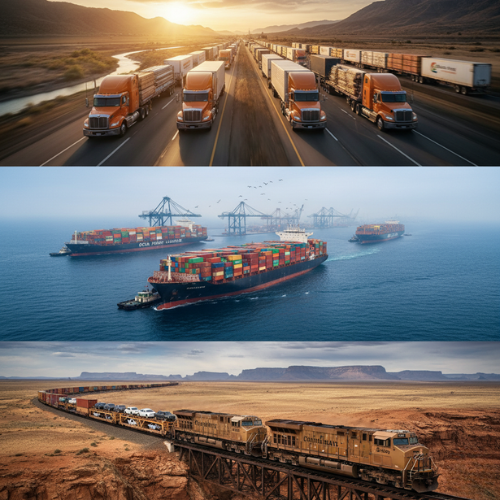
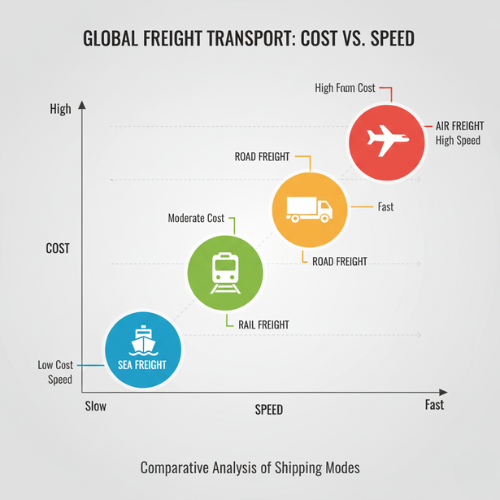
Road Transport – Flexible, faster for short distances; ideal for perishable goods.
Rail Transport – Cost-effective for bulk goods like grains, coal, textiles.
Air Transport – Fastest, used for luxury, time-sensitive, or perishable items.
Water Transport – Cheapest for international trade; handles heavy shipments.
Digital Transportation (Logistics Tech) – GPS tracking, AI route planning, supply chain management apps.
2. Importance of Market Transportation
- Ensures timely delivery of goods.
- Connects rural producers with urban buyers.
- Reduces wastage of perishable items (fruits, vegetables, milk).
- Stabilizes market prices by balancing supply and demand.
- Facilitates import-export and global trade
3. Challenges in Market Transportation
- Rising fuel costs.
- Traffic congestion and delays.
- Inadequate infrastructure in rural areas.
- Climate impact (carbon emissions).
- Logistics management issues
4. Modern Innovations
- E-commerce logistics (Amazon, Flipkart, etc.).
- Cold chain storage & refrigerated trucks for perishable goods.
- Smart warehouses with automation.
- Electric & hybrid vehicles to reduce carbon footprint.
- Blockchain in supply chain transparency.
Did You Know? (Engagement Trivia)
🚚 About 70% of goods in India are transported by road.
🚢 Nearly 90% of world trade is carried by sea routes.
✈️ Air cargo makes up less than 1% of trade volume but accounts for over 35% of trade value (luxury, electronics).
Quick Tips for Businesses
- Choose transportation mode based on cost, speed, and distance.
- Invest in digital logistics solutions for real-time tracking.
- For perishables, always use cold-chain solutions.
- Diversify routes to avoid dependency on one transport channel.
FAQs
Q1. What is the most cost-effective mode of market transportation?
Water transport is the cheapest for bulk goods, while road transport is most flexible for short distances.
Q2. Why is transportation important for markets?
It ensures goods reach consumers on time, reduces wastage, connects producers and buyers, and stabilizes prices.
Q3. How is technology changing market transportation?
With GPS tracking, automation, AI route planning, and e-commerce delivery networks, transportation is becoming faster, more efficient, and transparent.
Market transportation is not just about moving goods — it is about moving economies forward. From connecting farmers to city markets, to ensuring global products reach our doorsteps, transportation keeps trade alive and thriving.
Looking to explore more on trade, textiles, and the journey of products from markets to your wardrobe? Browse our curated collection of sarees, kurtas, and traditional wear — each piece carrying its own story of transportation, craftsmanship, and culture.